Smell plays a crucial role in our daily lives, and it helped propel our evolution, too. Hundreds of millions of years ago, this sense enabled our early mammal ancestors to find food, communicate, and escape predators.
Mammals came onto the scene more than 200 million years ago, and several features in their brains grew larger than those of their ancestors—including the olfactory bulb, a structure associated with smell processing. Meanwhile, genes associated with smell swelled in diversity. But it’s unclear how and when exactly these shifts transpired.
That said, we can take hints from hagfish—these slime factories evolved more than 300 million years ago, and represent only one of two surviving lineages of jawless fish. These were the earliest known vertebrates, or the group of backbone-possessing animals that today includes mammals, birds, and amphibians. While hagfish tend to retain many ancient characteristics, they do have a sophisticated olfactory system.
Read more: “Scent Makes a Place”
A team from the University of Tsukuba in Japan examined the hagfish genome and traced how relevant genes diversified over the ancient animal’s evolutionary history. Specifically, they looked for genes associated with types of receptors involved in smell, including olfactory receptors and vomeronasal receptors.
They found “a surprisingly large set” of genes linked to a type of vomeronasal receptor, according to a statement, a revelation that “overturns the long-standing assumption that these receptors evolved only in jawed vertebrates.” This olfactory discovery was reported in the journal iScience.
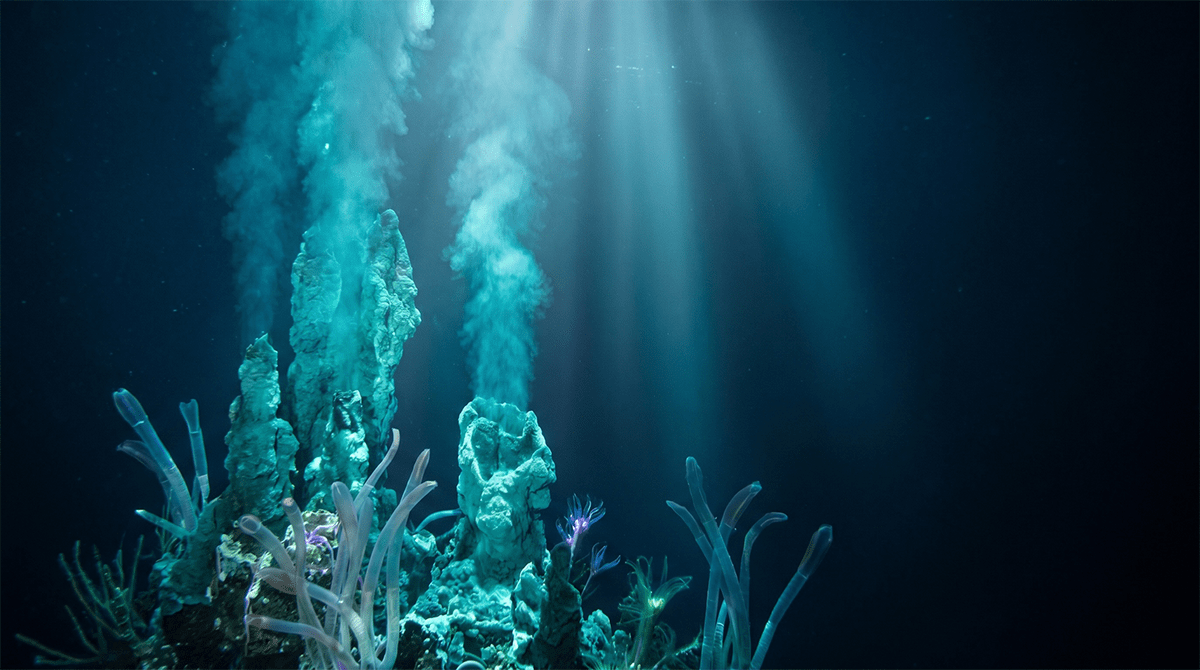
According to these results, such receptors might have emerged earlier in vertebrate evolution than previously thought. These genetic shifts may have occurred as hagfish adapted to low-light conditions in the ocean, where they scavenged for food and sought out mates.
“This finding calls attention to the importance of the hagfish, which has often been overlooked, yet holds significant potential to illuminate critical aspects of early vertebrate evolution,” the authors wrote in the paper.
So the next time you catch a heavenly whiff of, say, freshly baked pie or a flowery meadow, you might have hagfish to thank. 
Enjoying Nautilus? Subscribe to our free newsletter.
Lead image: Freshwater and Marine Image Bank