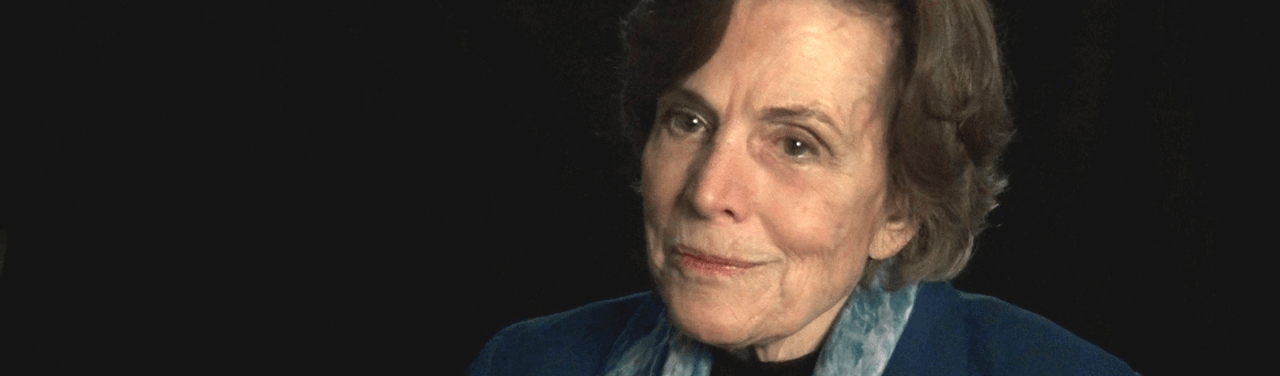
In the current documentary, Mission Blue, about the environmental fate of the oceans, filmmaker James Cameron calls Sylvia Earle the “Joan of Arc of the seas.” That’s not the first superlative accorded Earle. A 1989 New Yorker profile of the oceanographer was titled “Her Deepness,” and Time magazine has named her a “Hero for the Planet.” Earle first gained public acclaim in 1970, when she was one of five female “aquanauts” to live in an underwater lab off the Virgin Islands for two weeks. Since then her studies of the oceans, and passionate defense of their ecological importance, have won international renown.
Earle is featured in the Spring 2014 Nautilus Quarterly, which focuses on three themes in science: home, waste, and time. If there’s one subject that draws together all three themes, it’s the ocean, and if there’s one person who could speak for the ocean, it’s Earle. For our video interview, Earle, 78, met us in Alameda, California, at the headquarters of Deep Ocean Exploration and Research, her consulting and engineering firm. Earle is also the founder of the environmental nonprofit group, Mission Blue: Sylvia Earle Alliance. In person she was gracious and accommodating, patiently explaining how the ocean, life’s first home, is in a race against waste and time.
Do you think of the ocean as home?
In oceanography, what does waste mean?
How should we see the ocean in the span of time?
What’s been the fallout of the Fukushima nuclear plant explosion on the ocean?
You first lived in an underwater lab 44 years ago. How has the ocean changed since then?