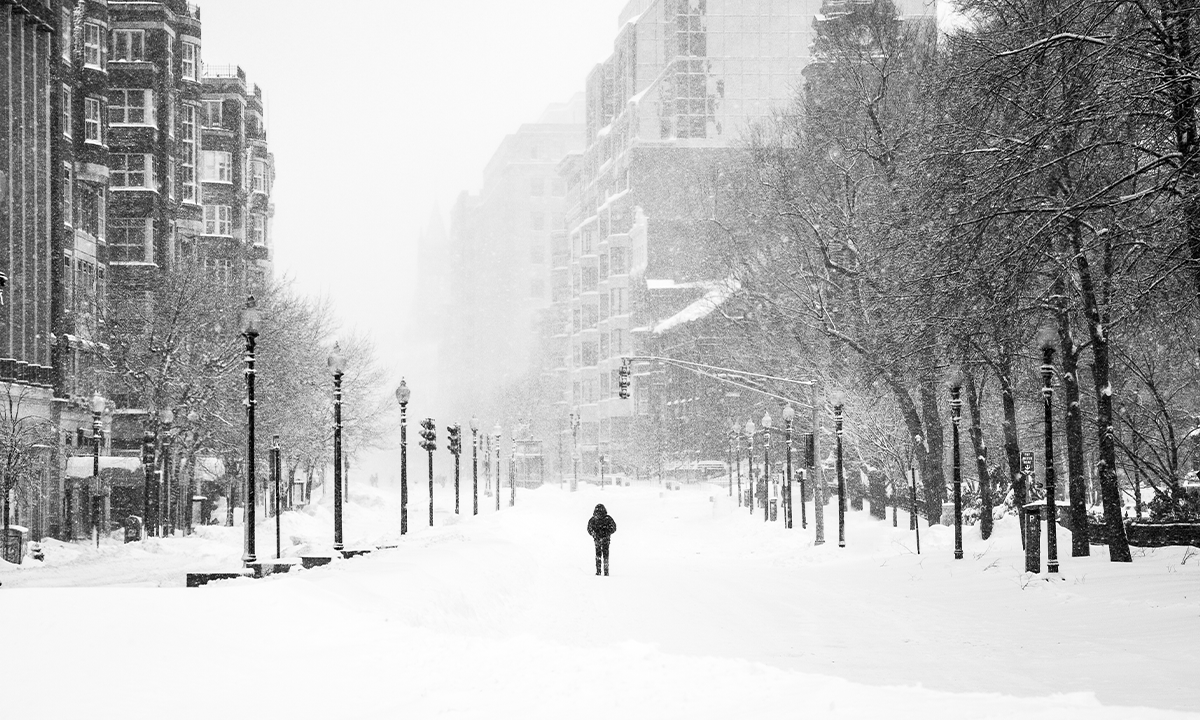
This weekend, more than half of the United States—at least 170 million people—is bracing for a winter storm set to span 2,000 miles. On the northern front of the system, from Oklahoma to Massachusetts, people could face up to a foot of snow, more than some places have experienced in years. And in the South, cities could encounter sheets of ice thicker than an inch. (You can learn more about your local impacts here.)
The massive storm, referred to as Fern, may prove particularly risky due to a frigid front of Arctic air that will descend on most of the country over the next week, possibly resulting in subzero temperatures. That could enable the snow and ice to stick around—for those without power, this could quickly turn dangerous.
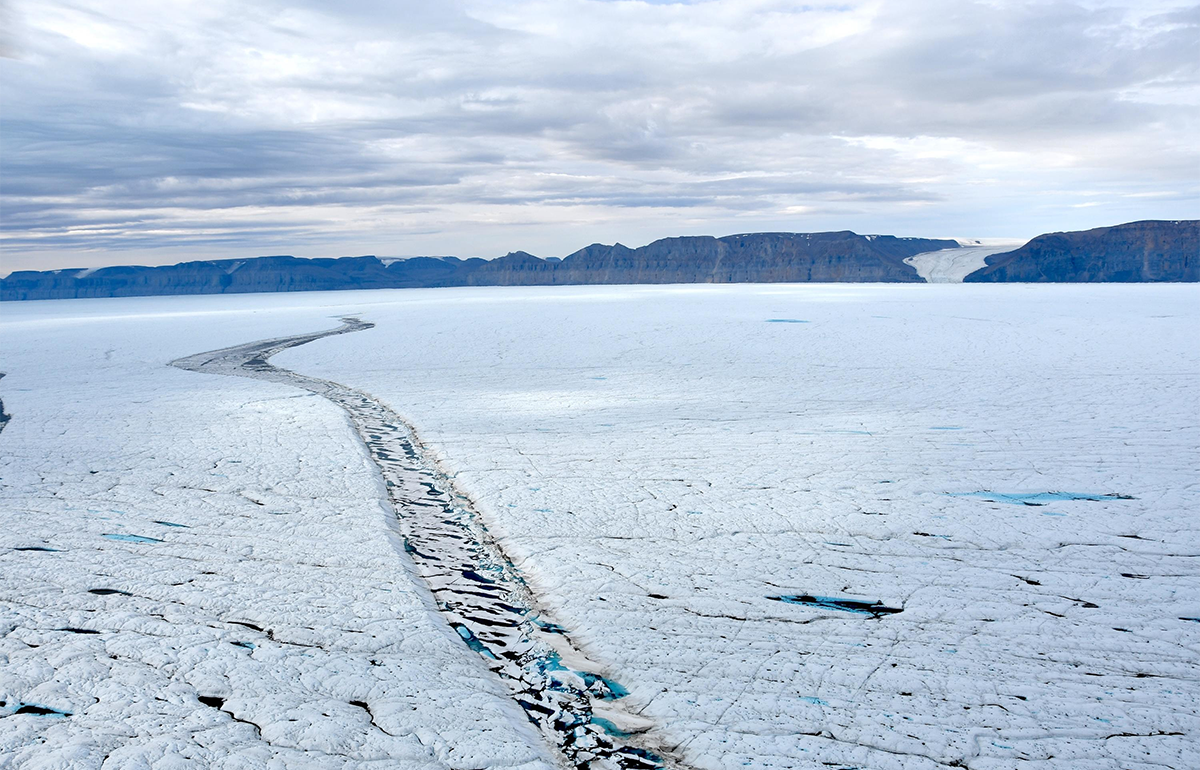
Climate change offers a key ingredient to the perfect storm arriving this weekend. Arctic air now tends to dip farther south due to the weakening of the polar jet stream, a quick-moving river of air located in the lower atmosphere at the spot where frosty polar air and warm mid-latitude air meet. This shift is thought to stem from the rapid warming of the Arctic: As the temperature difference between the Arctic and mid-latitudes shrinks, the jet stream moves becomes more sluggish and grows wonkier.
Some scientists think this has made intense winter storms more likely in the mid-latitudes, including Europe, the U.S., and some areas of Asia—the southern fringes of the swirls of polar air.
Read more: “They Came for Climate Science. Then the Storms Came.”
But one team recently challenged this theory, noting that the polar jet stream has shown erratic patterns for over a century. In fact, it seems to have acted even more chaotic before climate change could have a significant impact.
That said, other factors related to intensifying climate change are likely at play, too. For example, a warmer atmosphere holds on to more moisture, translating to more intense storms. “I’m not saying any one weather event is attributed to climate change,” Judah Cohen, a climatologist at MIT, told CNN. “But I do think it loaded the dice here.”
While this weekend’s storm is expected to be brutal, it probably won’t compare to the record-breaking wintry disaster known as the Great Blizzard of 1888, also referred to as the “Great White Hurricane.” On March 11, 1888, it hit the northeast U.S., where around a quarter of Americans lived at the time.
The storm dropped up to 55 inches of snow in some regions, and New York City experienced 85-mile-per-hour wind gusts. There, some 15,000 people got stranded on elevated trains, and many were stuck inside—including Mark Twain, who was holed up in a hotel at the time. And across the Atlantic coast, hundreds of boats sank amid fierce winds and waves. Ultimately, more than 400 people died in the blizzard, around half in New York City.
The disaster forced cities to adjust their infrastructure, including aboveground water, telegraph, and gas lines. And Boston and New York City began working on the nation’s first belowground subway systems over the next decade.
Today, these cities will be among the hardest hit by the incoming storm, which will challenge the very infrastructure added over a century ago to keep residents moving amid white-out conditions. 
Enjoying Nautilus? Subscribe to our free newsletter.
Lead image: iSweet / Shutterstock