Skip to Content
Advertisement
History

What Would You Put in a Science Time Capsule?

1:35 PM CST on January 15, 2014

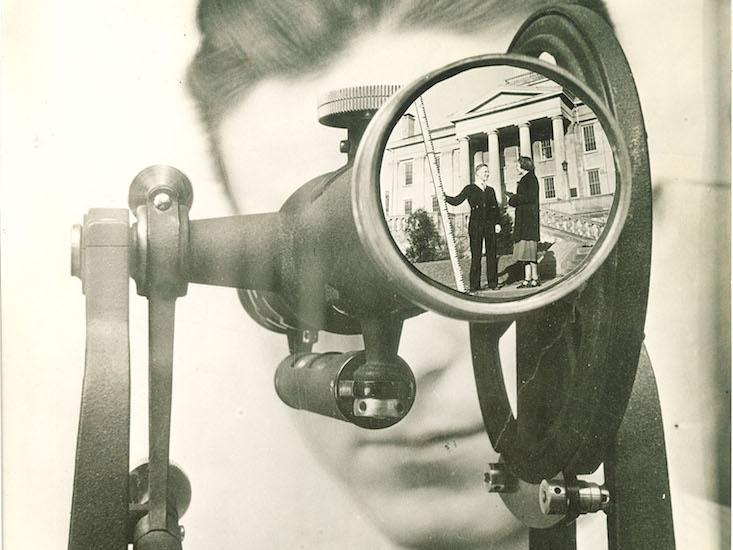
looking into sextant

looking into sextant

It’s 2014: Sixty-one years since the discovery of the double-helix structure of DNA. Four hundred seventy one years since Copernicus published the heliocentric model of the universe. And one year since the Higgs Boson was discovered. In 100 years, how will we look back on today’s science?

Featured Video

We’re building a scientific time capsule—a collection of objects and images that sum up the state of science in 2014. What should we add? What should the time capsule contain? What pieces of science do we want the future to remember us by, and what objects best encapsulate our current understanding of the world?

So tell us, what would you include in our time capsule?

Advertisement

Rose Eveleth is Nautilus’ special media manager.

Advertisement
Stay in touch

Sign up for our free newsletter

Related Stories

How Do You Read Ancient Charred Scrolls? Make Your Own

A new technique could unlock the secrets of the Herculaneum scrolls

September 17, 2026

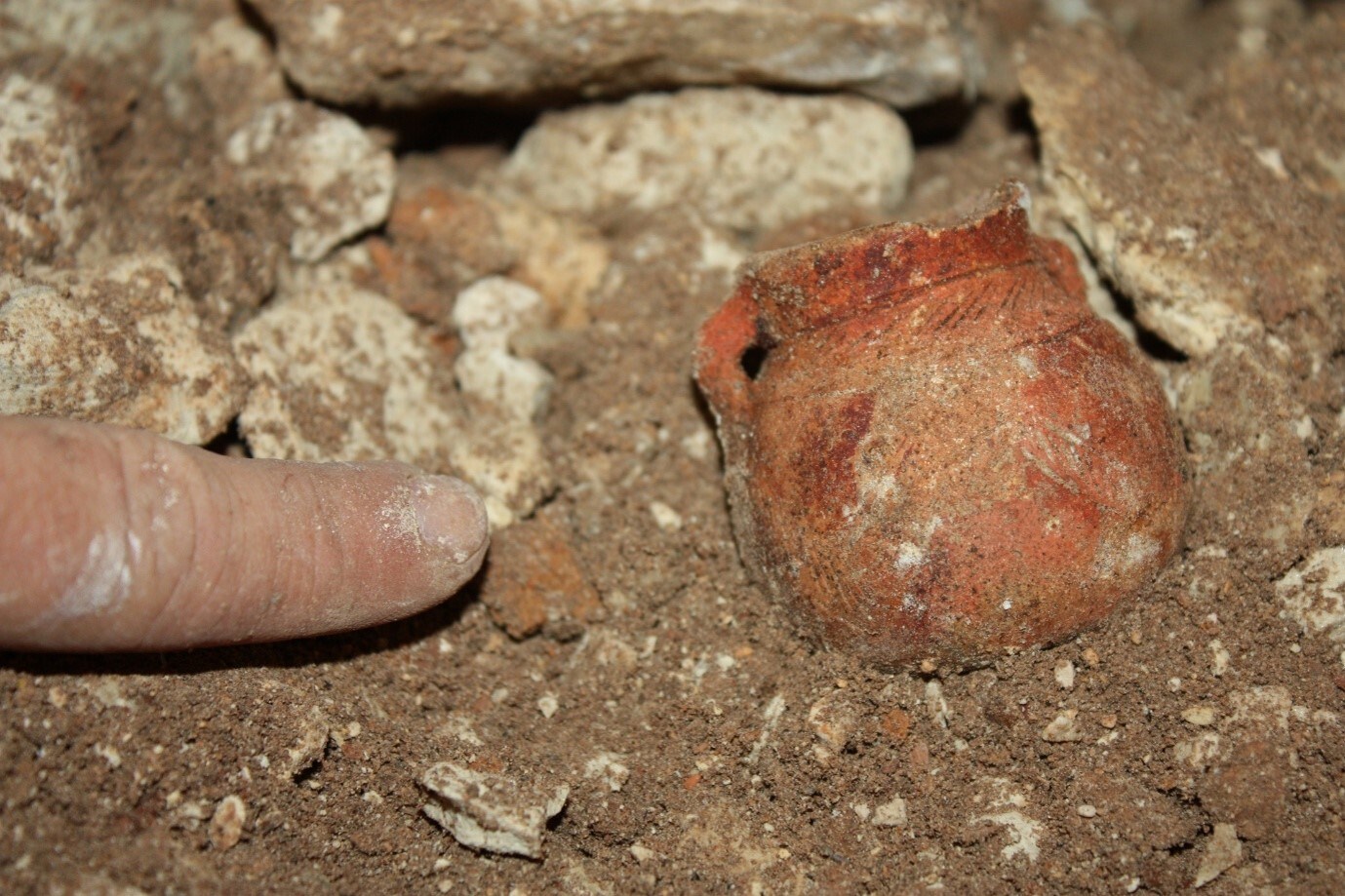
Did Wildfires Spark the Invention of Pottery?

Introducing the “natural kiln hypothesis”

September 15, 2026

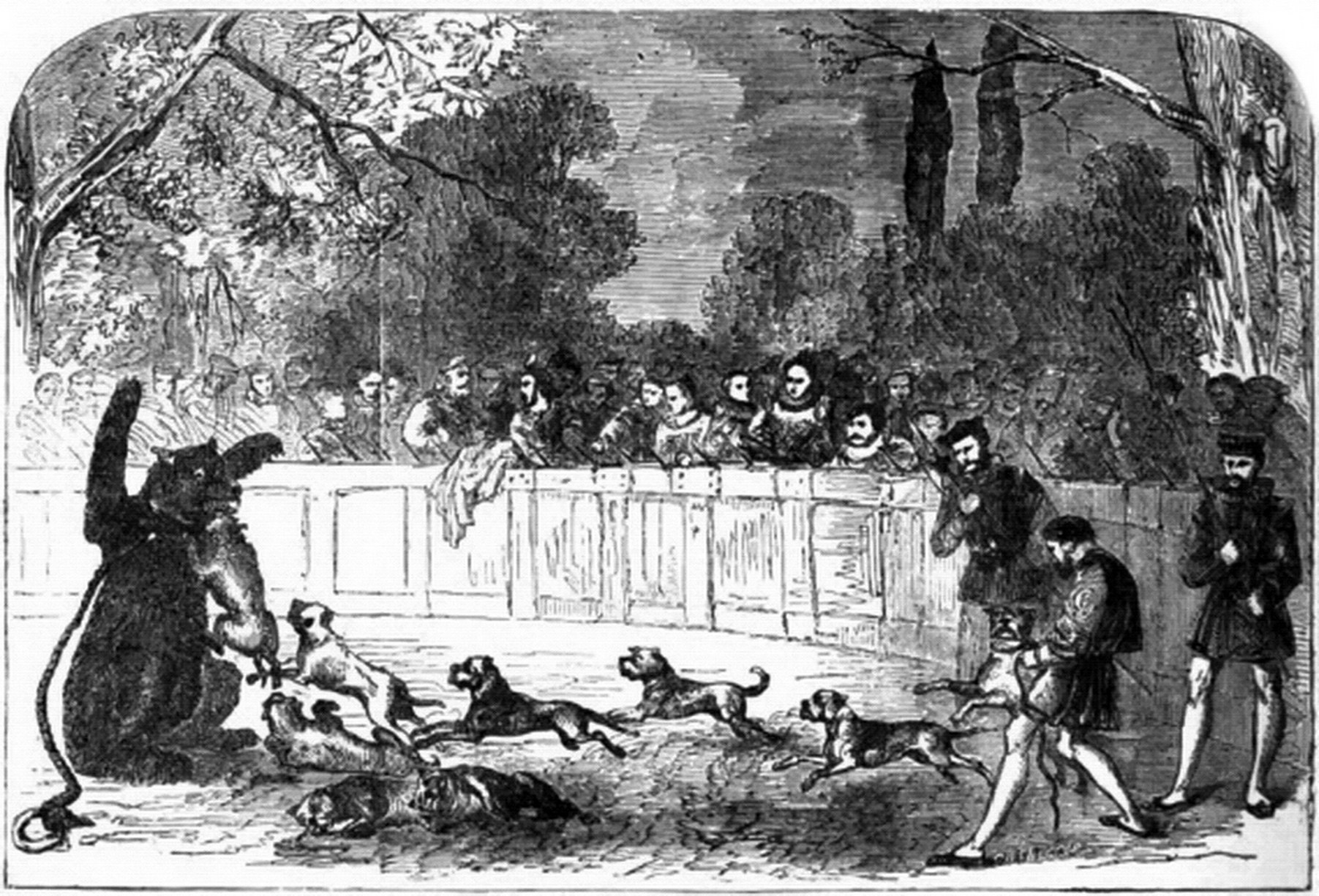
The Brutal Origins of Bear-Baiting

The practice exploded in popularity following the Norman Conquest

September 14, 2026

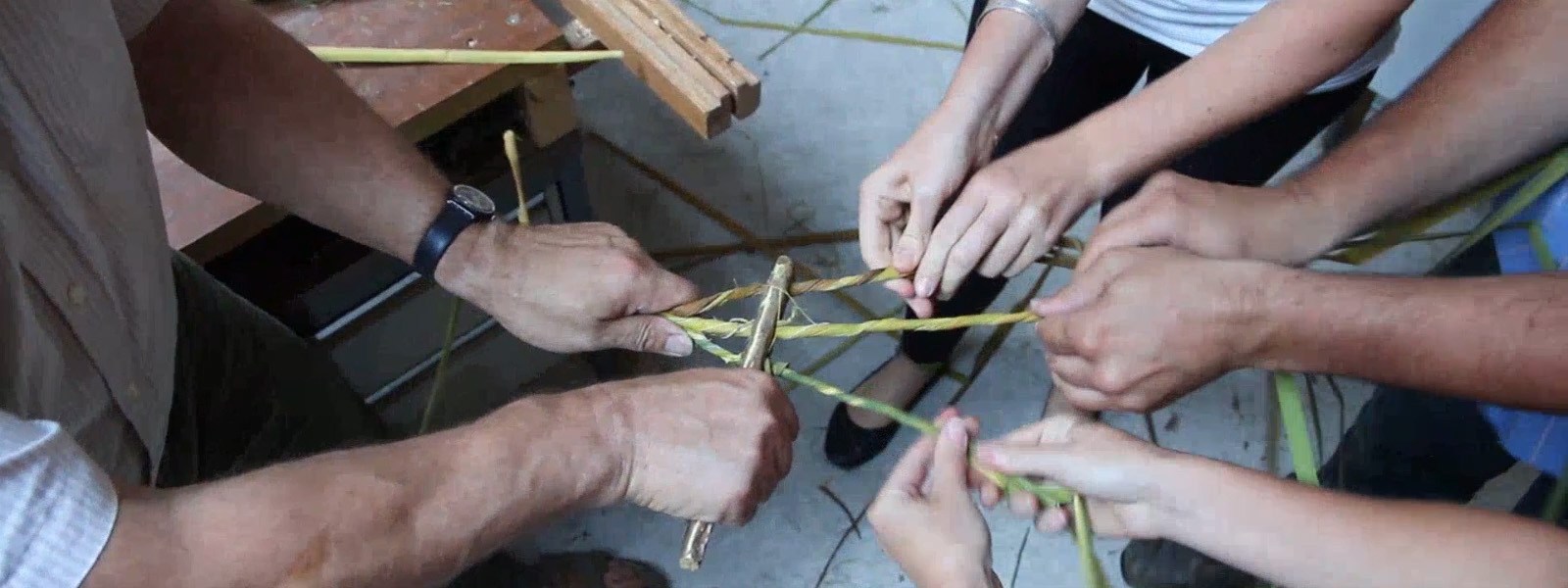
Rope, Twine and Thread: Invisible Technologies of the Stone Age

Missing from the archaeological record, fiber innovations like string played a huge role in the daily lives of our ancestors. Researchers are working to weave together new insights from the traces they left behind

September 12, 2026

What Archaeology Reveals About the Rise of All-Powerful Rulers

Autocracy wasn’t inevitable in early civilizations—many were more egalitarian. But when riches were there to monopolize, strongmen and inequalities emerged

September 7, 2026

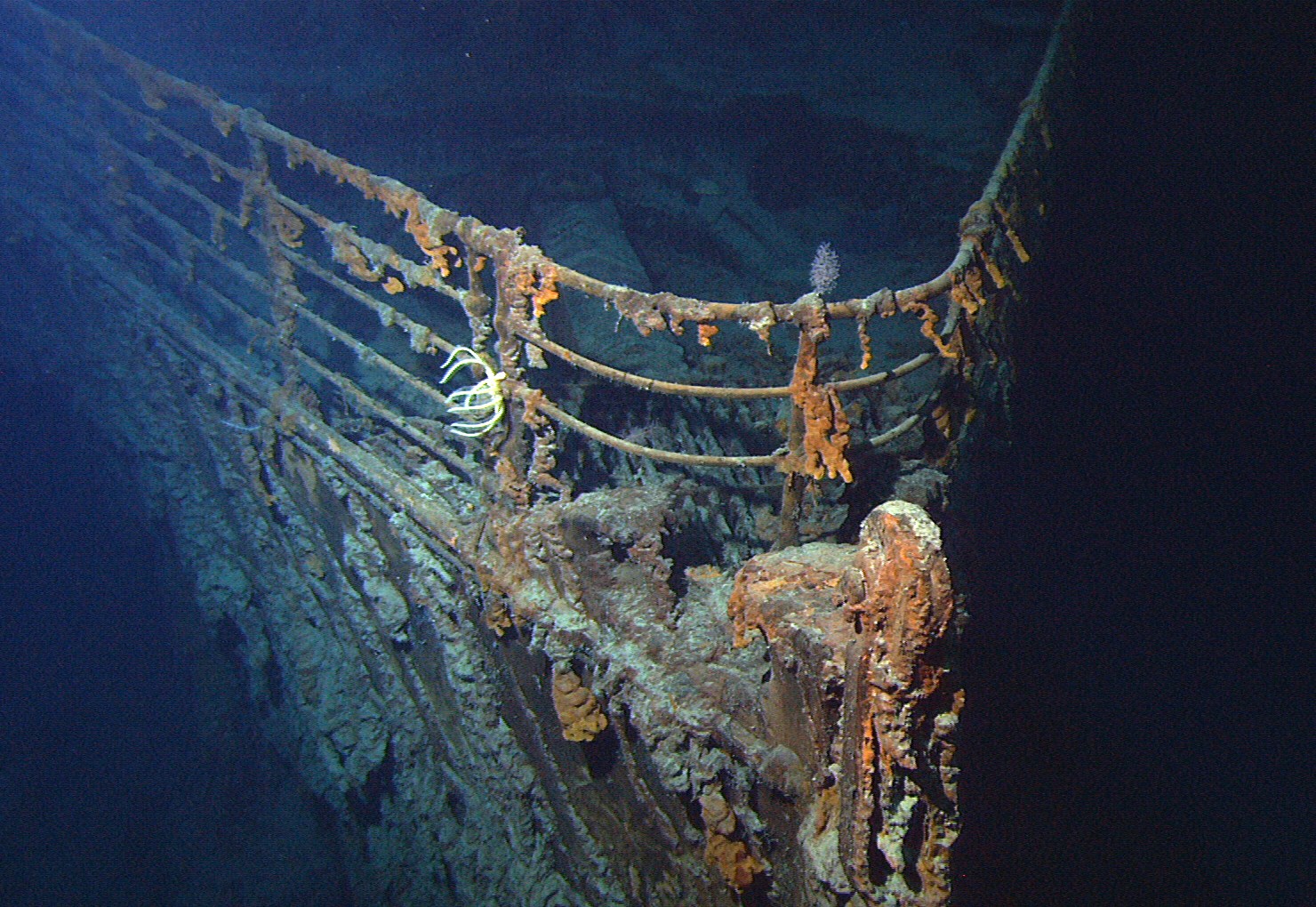
40 Years Ago, Oceanographers Found the Wreckage of the RMS Titanic

The maritime disaster of 1912 wasn’t fully understood until the shipwreck was rediscovered

September 3, 2026