Today, Pfizer announced its Lyme disease vaccine (developed in conjunction with Valneva) was only 73.2 percent effective in preventing the illness. While the company plans to move forward with the FDA approval process, the vaccine fell short of their goal to demonstrate 20 percent effectiveness in worst-case scenarios. If it manages to succeed, it would be the only Lyme disease vaccine approved for humans.
But why? After all, we have Lyme disease vaccines for dogs. In fact, we had a Lyme disease vaccine for humans over 25 years ago that was 76 percent effective, so what happened to it? GlaskoSmithKline (GSK) cited insufficient demand when withdrawing it from the market in 2002, but what really happened has been called a “cautionary tale” for vaccine developers.
Named for the Connecticut town where it was first discovered, Lyme disease is caused by the bacterium Borrelia burgdorferi. On its surface, B. burgdorferi expresses a protein called “outer-surface protein A” or OspA, and it was this protein that vaccine researchers singled out to target. With animal and human trials a success, GSK was granted FDA approval and LYMErix™—the first Lyme disease vaccine for humans—entered the market.
Read more: “What We Get Wrong About Lyme Disease”
Shortly after, however, reports of adverse reactions started coming into the FDA’s Vaccine Adverse Events Reporting System (VAERS), many of which were related to arthritis. In the background, reports to VAERS had just revealed an unrelated vaccine against rotavirus could have serious side effects, resulting in a media frenzy and the FDA yanking it off the market. With chum in the water, reporters rushed to cover the story of these new Lyme disease “vaccine victims,” who promptly filed a class-action suit against GSK.
Compounding problems for the vaccine, a study published in the New England Journal of Medicine found that people with a certain immune genotype who became infected with B. burgdorferi could develop serous arthritis, and suggested cross-reactivity with OspA as the mechanism.
In other words, a vaccine boosting the immune response to OspA could potentially trigger an arthritis-causing autoimmune response in a small subset of the population. While genetic screening could exclude these individuals, it would have added a considerable cost to the vaccine.
It was against this backdrop that the FDA decided to reconvene its advisory panel on LYMErix™. After hearing from the vaccine victims and scientists on both sides of the debate, the FDA concluded that the VAERS reports of arthritis weren’t any higher than the incidence in the general population and that the benefits to the vaccine still outweighed the risks. By then, however, the damage had been done. LYMErix™ sales fell off, GSK pulled it off the market and eventually settled the class-action suit, forking over $1 million in legal fees but no compensation for the “victims.”
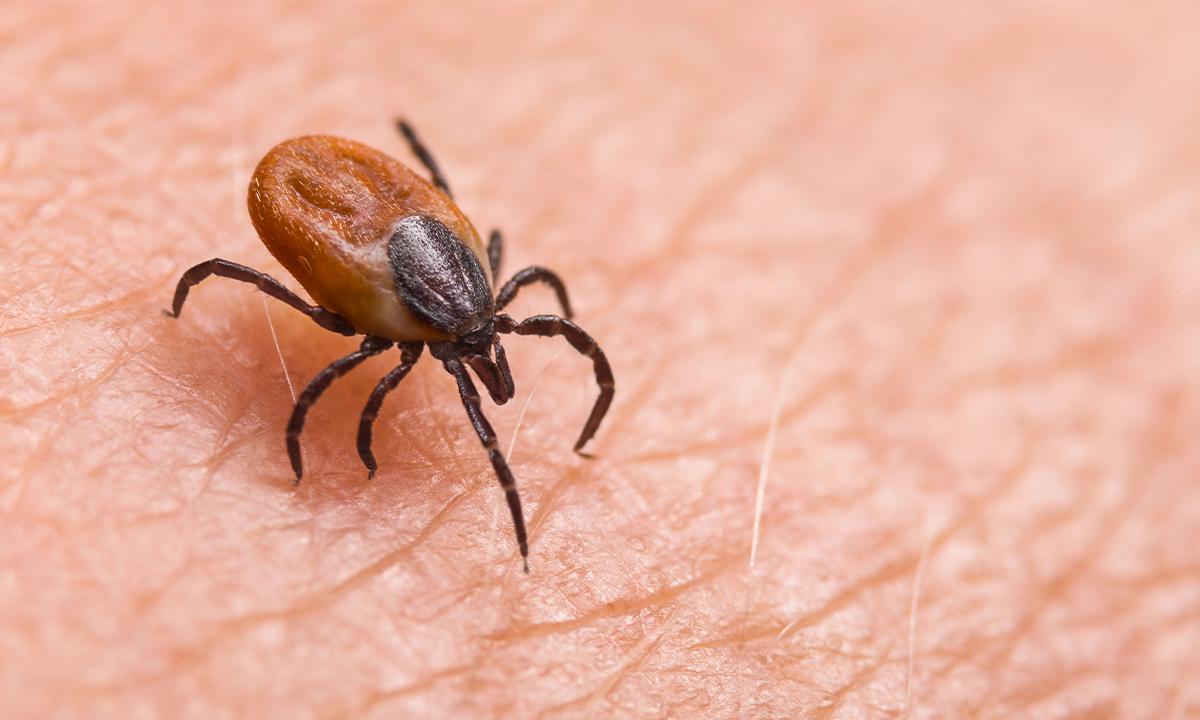
That was 24 years ago. While this new Pfizer vaccine also targets OspA, it’s designed to limit cross-reactivity, but also requires four doses compared to three of LYMErix™. Of course those aren’t the only hurdles. Since 2002 when LYMErix™ was withdrawn, anti-vaccine sentiments in the United States have only gotten worse. Unfortunately, tick-borne illnesses—exacerbated by climate change—have followed a similar trajectory. 
Enjoying Nautilus? Subscribe to our free newsletter.
Lead image: KPixMining / Shutterstock