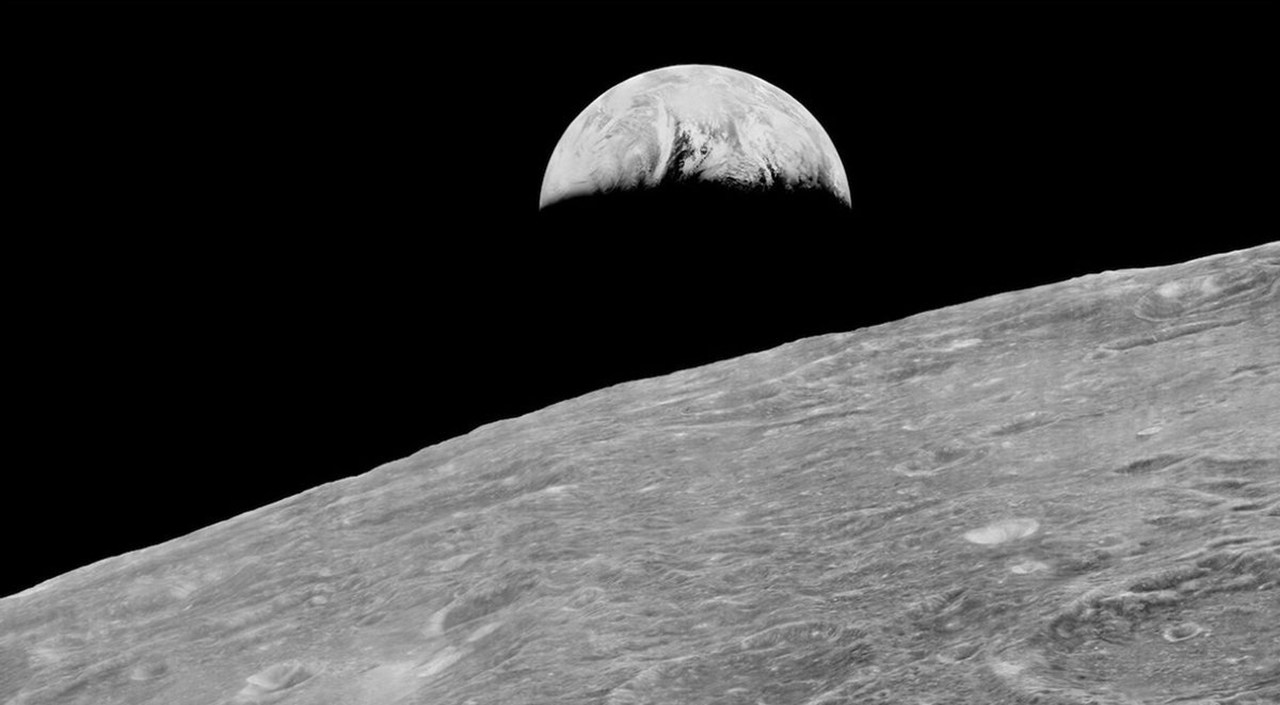
The lunar surface isn’t pockmarked for no reason. Asteroids have peppered the moon since that sassy celestial body came into being some 4.5 billion years ago. And just last week, a museum curator and stargazer in Japan captured two of the latest lunar impacts and the flashes of light coming off the moon as yet more space rocks slammed into its barren face. Just as it was gearing up for its supermooning this week.
Daichi Fujii, the curator of the Hiratsuka City Museum, captured the cosmic impacts on October 30 and November 1 with an almost 8 inch telescope he keeps locked on the moon, posting the videos to his X account. “Last night, a lunar impact flash appeared on the night side of the waxing crescent moon!” he wrote on X, according to a Google translation of his post of the first impact.
Fuji added that, given the position of that first strike, the flash may have resulted from an impact with debris that constitutes the Taurid meteor shower, when rocks spew from Comet Encke as it streaks through space about 300 million miles from Earth. He told Space.com that he calculated the probable weight of that first asteroid to be a little less than half a pound and its velocity to be about 60,000 miles per hour as it slammed into the dark side of the moon.
Read more: “The Violent Birth of the Moon”
The second flash Fuji captured, on November 1, happened when another asteroid struck the lunar surface. Whereas meteors that fall to Earth, with its thick atmosphere, typically burn up due to the intense friction generated by their atmospheric transit, asteroids that impact the moon tend to strike the surface with full force.
Fuji is something of an expert on such lunar impacts. With his specialized setup, he has recorded and shared about 60 since 2011. “I want the public to enjoy science,” Fuji told The New York Times.
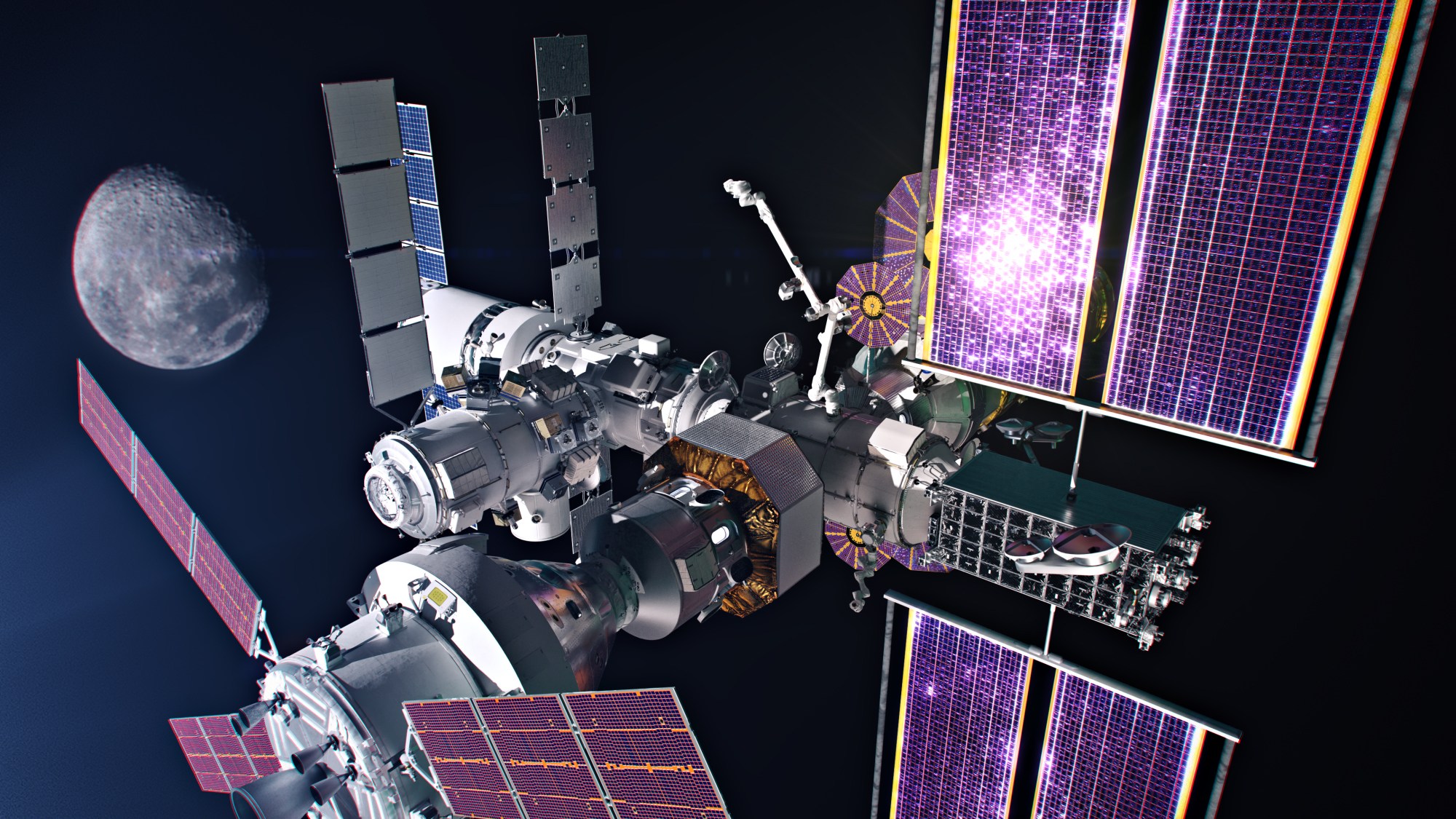
Tracking such celestial interactions may be more than a curiosity, though. Information on where, when, and how the moon is pummeled with space rocks could help determine the logistics of building and protecting human outposts there in the future. “Understanding the frequency and energy of impact flashes can be used to inform the design and operation of lunar bases,” Fuji added. 
Enjoying Nautilus? Subscribe to our free newsletter.
Lead image: Dylan O'Donnell / Wikimedia Commons.