Humanity’s space junk is accumulating rapidly. Low Earth orbit is now exceedingly crowded with satellites, which must constantly navigate a minefield of debris from past rocket launches, discarded hardware, and previous collisions. Sometimes, sizable chunks of this detritus even crash back to the ground. Various companies have been working on ways to clean up the mess we’ve made in situ. But a new effort seeks to determine the feasibility of moving some of that junk out of harm’s way, without even touching it.
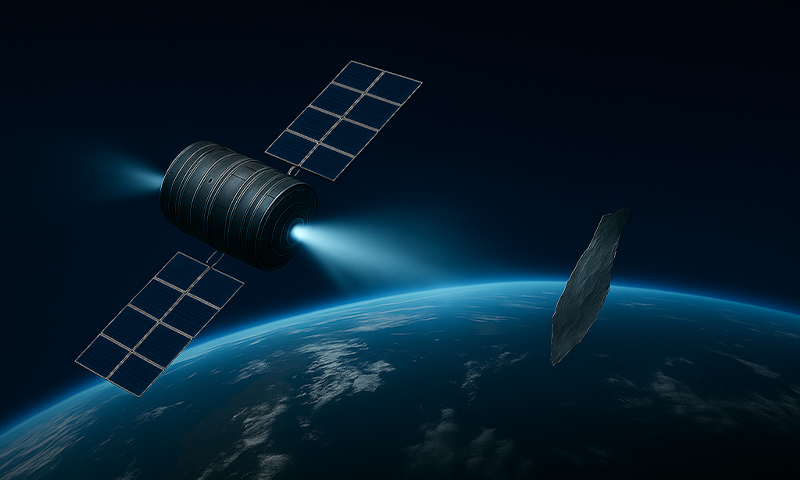
The ALBATOR project proposes using beams of charged electrons, or ions, to shove space junk around from a distance, without the need to come into physical contact with the objects that are careening around the planet at some 17,500 miles per hour.
“By avoiding the risks inherent in capture or docking, the [ALBATOR] project aims to provide a safer and more versatile solution to one of the greatest challenges facing space sustainability: the proliferation of debris in Earth's orbit,” officials from NorthStar, one of the companies collaborating in the effort—which is a collaboration of academic and industry scientists funded by the European Commission, said in a statement. The effort aims to test the concept and construct a demonstration of the technology, which would use a plasma-based ion beam system for the touchless space junk repositioning.
Unclear in all of this is just where it might be best to push all that space junk to.
Some previously suggested removal systems that involve contact with the debris have proposed “de-orbiting” it, or bringing it safely back down to Earth. Large pieces can also be maneuvered out of the way of intersecting satellites or the International Space Station on a case-by-case basis.
Whatever the direction, it’s clear that the rapidly mounting problem of space junk must be addressed sometime soon. With new fleets of satellites launching into orbit every week (and sometimes multiple times a week), the space above Earth is only becoming more crowded—and dangerous. 
Enjoying Nautilus? Subscribe to our free newsletter.
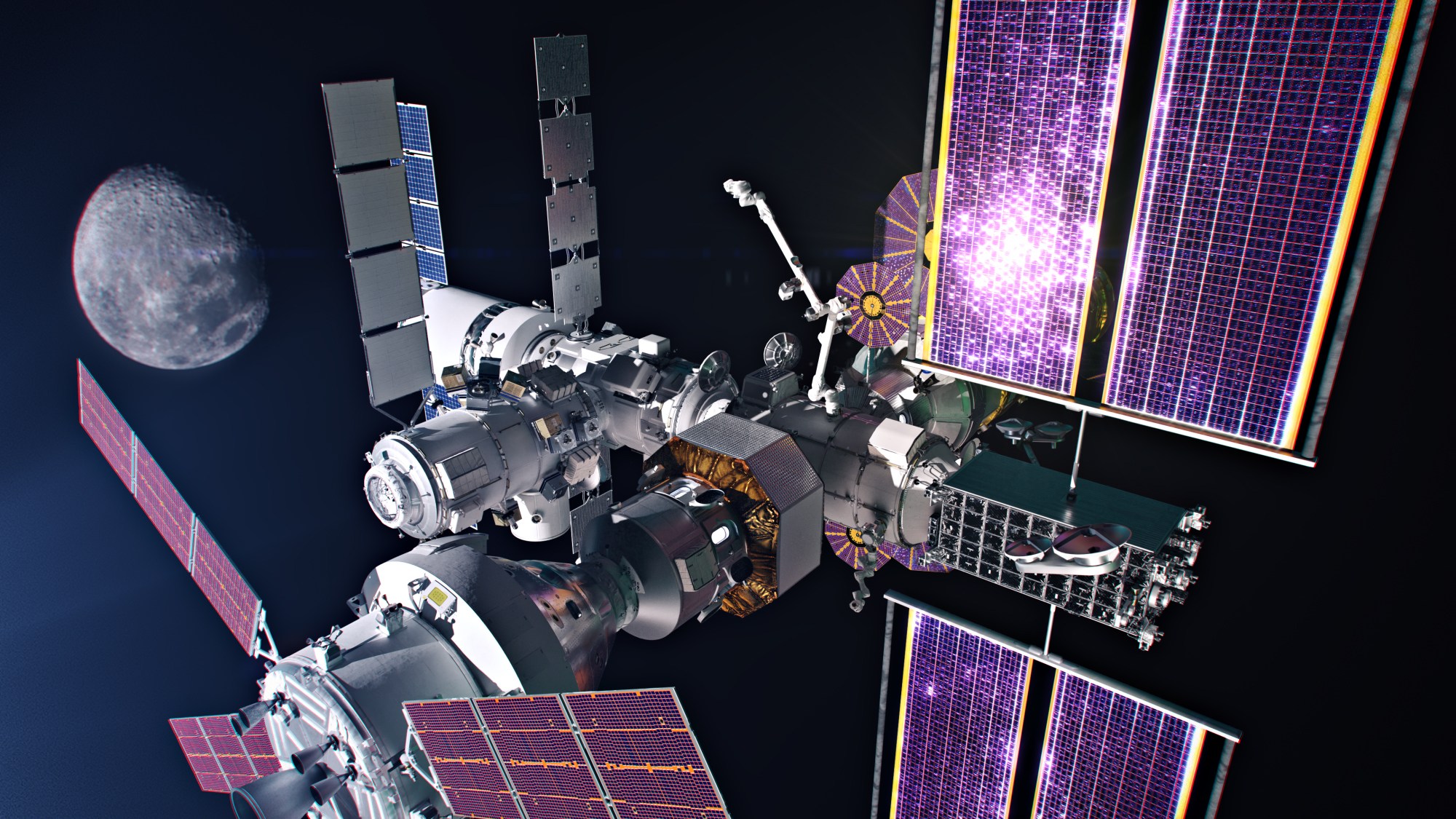
Lead image: ALBATOR