Yesterday Science published a study including “strong evidence that Voyager 1,” an unmanned spacecraft launched in 1977, “has crossed the heliopause into the nearby interstellar plasma.” Don’t let the scientific understatement fool you—the researchers are saying that the craft became the first handiwork of humanity to slip out of our cozy solar system and start exploring the space between the stars. The announcement drew a lot of attention, and seemed to re-kindle dreams of sci-fi futures. “I don’t know if it’s in the same league as landing on the moon, but it’s right up there—‘Star Trek’ stuff, for sure,” said the paper’s lead author. (The report also drew some more skeptical commentary from people saying the craft is still much closer to the Sun than other stars, and therefore isn’t in interstellar space yet.)
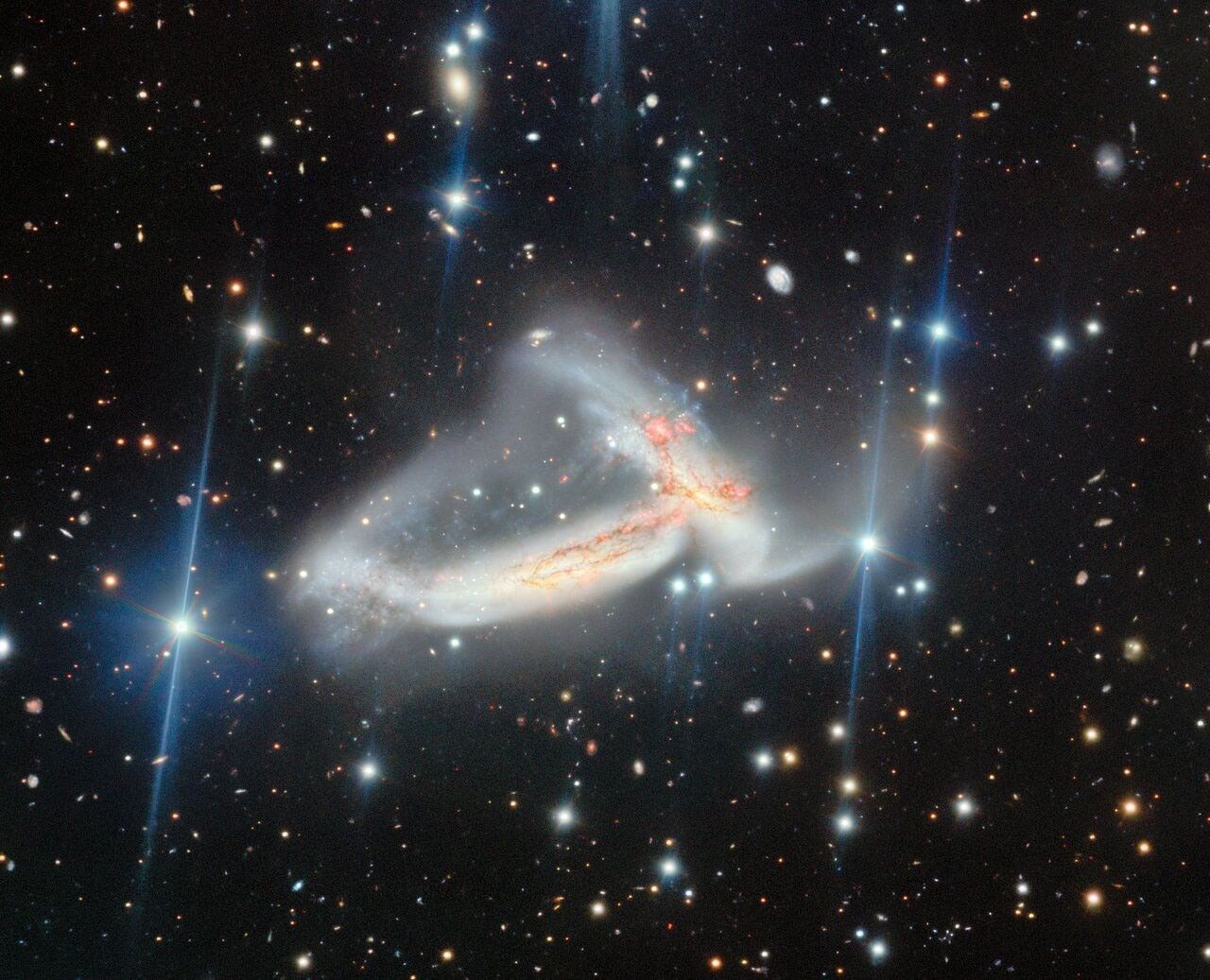
One of the most impressive things about the Voyagers is that they’ve made it this far with the equipment they have. They record information from their sensors on an 8-track digital tape recorder that can hold 70 kilobytes. That must have been fine back when they were launched, but now it seems positively prehistoric; the image atop this post contains more than 70 kilobytes. Because of the Voyagers’ extremely long lives—their primary missions were complete in 1980—they’ve become a flying, functional museum of equipment available to NASA 36 years ago. The Voyagers are the first vehicles that really highlighted this technological delay, but they probably won’t be the last. Considering the huge distances and times involved with space travel, this may become a more common phenomenon, as we send out craft that quickly become time capsules of outmoded technologies.
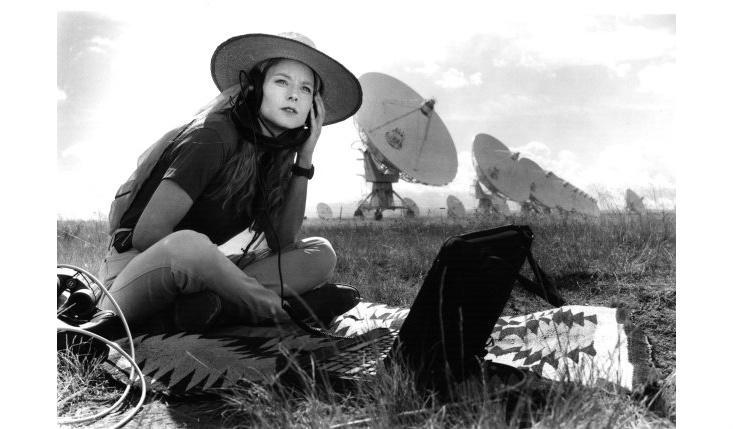
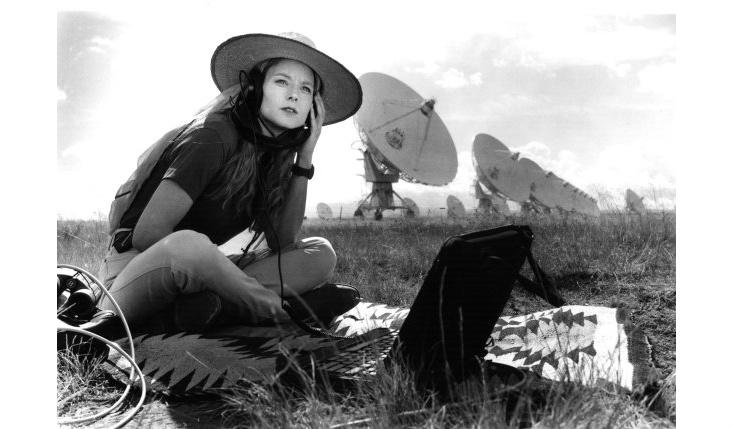
The immensity of interstellar distances imposes a similar lag even on the fastest thing in the universe: light. The supernova we observed suddenly on one day in 1987 actually occurred 168,000 years before. The light that composes the Hubble Ultra Deep Field image was emitted over 13 billion years ago. Even within our little solar neighborhood, light takes years to get around, and if there’s anyone out there, they’re getting a view of our past. In Carl Sagan’s classic novel Contact, the first alien signal detected by humans is actually a re-broadcast of Hitler’s speech opening the 1936 Olympics, allegedly the first TV broadcast powerful enough to transmit through Earth’s ionosphere. (It’s a great scene in the movie.) A recent XKCD cartoon explored the idea of what pop-culture tidbits that aliens on nearby planets are hearing right now: At Alpha Hydri, they’re just hearing “Rosebud,” the dramatic conclusion of Citizen Kane; our next-door neighbors at Proxima Centauri are trying to get the cultural significance of the many Internet memes now flying their way.
If we ever transmit to people or aliens who are interstellar distances away, it may be an ongoing challenge to communicate with them. We will constantly see cultural and technological echoes of each other, never really sure about what is happening in each other’s present.
Amos Zeeberg is Nautilus’ digital editor.