What is Rewilding?
To me, rewilding is more than just reintroducing species; it’s about rebuilding connections within our ecosystems. It involves restoring natural processes and fostering harmony between nature and people, recognizing that we share and depend on the same environment for our survival and well-being.
Rewilding’s Impact on Biodiversity
Rewilding is crucial to biodiversity as it helps restore natural habitats and processes, allowing ecosystems to function as they naturally should. This restoration supports a diverse range of species—flora and fauna—increases resilience to environmental changes, and enhances ecosystem services that benefit both nature and people. However, rewilding alone can’t fully preserve or regenerate biodiversity because many species know no borders. Efforts in one habitat must be observed within a much larger ecosystem, creating corridors of biodiversity that connect different habitats and ensure the movement and survival of various species across regions.
The Loss of Biodiversity
I have a personal story that deeply affected me regarding the loss of biodiversity in the Mediterranean. Growing up, I frequently snorkeled in the Mediterranean Sea with my father. The waters were once vibrant with life, teeming with diverse marine species. However, when I returned to these same places with my children, I was struck by the noticeable decline in biodiversity within just 25 years. The Mediterranean is warming 20 percent faster than the global ocean average, which significantly impacts marine life.
Furthermore, the Mediterranean suffers from inadequate protection measures. Only a tiny fraction of its waters are designated as fully or highly protected marine protected areas (MPAs). This insufficient protection allows for destructive practices like bottom trawling. Human pressures, such as overfishing, pollution, and habitat destruction, are at their highest in the Mediterranean, disrupting ecosystems and threatening marine life.
On Hope
Despite these challenges, there are success stories that give hope. For instance, the resurgence of the Atlantic bluefin tuna is a notable example. Through stringent regulations and sustainable fishing practices, their populations have significantly rebounded, demonstrating the potential for recovery when appropriate measures are taken.
These experiences highlight the urgent need for enhanced conservation measures and international cooperation to protect and restore biodiversity. They also serve as a reminder that with commitment and collaboration, we can achieve positive outcomes for both people and nature. After all, we are biodiversity—we are an integral part of the ecosystem and must strive for a balanced coexistence to ensure the thriving of our ecosystems and communities alike. 
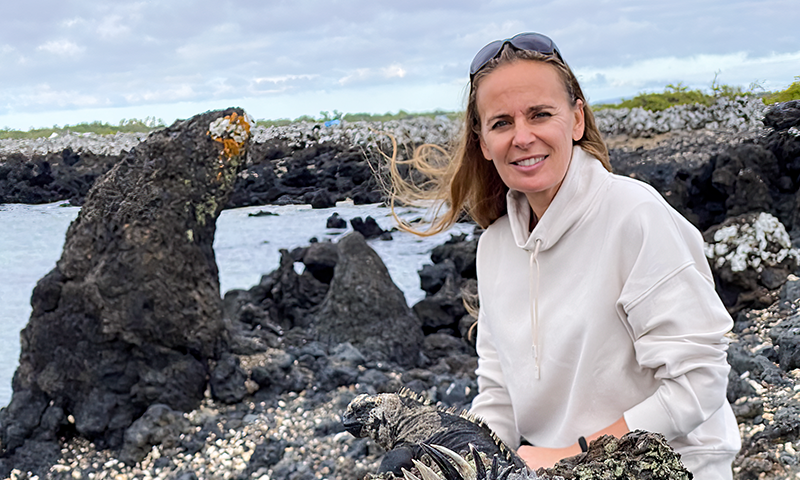
Lead image: courtesy of Dona Bertarelli.