Skip to Content
Advertisement
Astronomy

Where Could You Find the Best Surfing in the Universe?

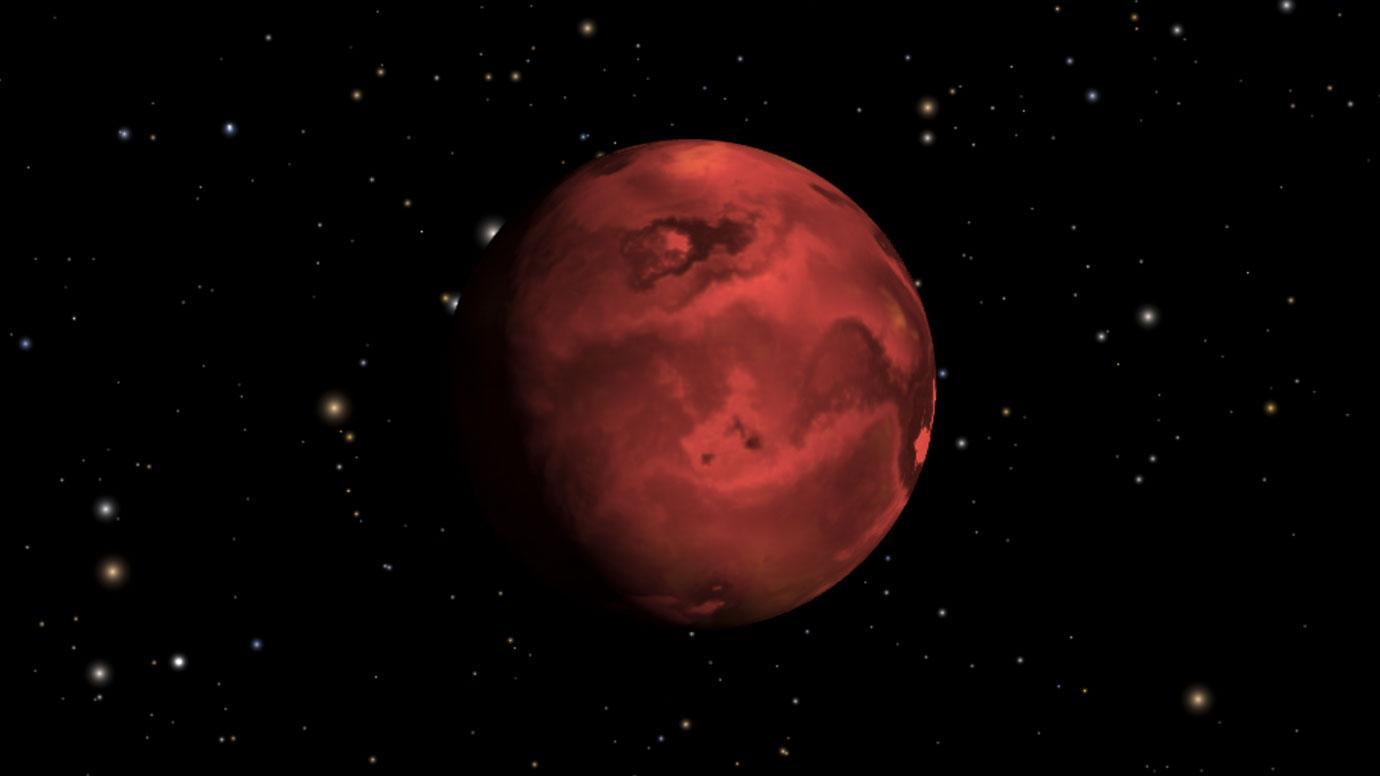
As recently as the late 80s, finding a planet orbiting another star seemed like the stuff of sci-fi fantasy, about as realistic as a diminutive alien riding a flying bicycle, or a sports car that worked as a time machine. Thanks to many smart astronomers using a new generation of powerful telescopes, we now know of 921 confirmed exoplanets in 710 different star systems, with thousands more sightings waiting to be confirmed. They illustrate a huge range of what a planet can be, from galactic next-door neighbors, to metal planets so close to their stars that they’re entirely molten, to worlds that may be covered in water.

Featured Video

Now if there was such a water world, what would it be like? Would there be land? Would there be life? And most importantly, would it make for good surfing? To answer these questions, we turned to Lisa Kaltenegger, an exoplanet expert at Harvard and the Max Planck Institute in Heidelberg, and Nautilus’ Ingenious for issue 3, “In Transit.” The rest of Kaltenegger’s Ingenious interview will be posted on the site this Thursday, July 25.
Advertisement

Stay in touch

Sign up for our free newsletter

More from Astronomy

Explore Astronomy

Interstellar Comet 3I/ATLAS Gets the Celebrity Treatment

The ESA’s Juice is the latest spacecraft to analyze it

March 5, 2026

Astronomers Capture Largest Image of Milky Way Ever

“It’s a place of extremes, invisible to our eyes, but now revealed in extraordinary detail”

February 27, 2026

The Birth of Light

Long since flared out, echoes from the universe’s very first stars could be reaching us today

February 26, 2026

Imaging the Most Far-Out Jellyfish Galaxy Ever Observed

… and shaking up our view of the universe 8.5 billion years ago

February 25, 2026

Researchers Map Uranus’ Atmosphere in Stunning Detail

The James Webb Space telescope captured stunning images of the ice giant

February 24, 2026

Fiery Crash of SpaceX Rocket Causes Huge Lithium Plume

It’s the first known direct detection of upper-atmospheric pollution from space debris re-entry

February 24, 2026